Between Heritage, Identity and Market
Between Heritage, Identity and Market:
Modest Fashion Is Shaping a Global System
Paris Modest Fashion Week by Think Fashion 2026 as a Reflection of Structural Change
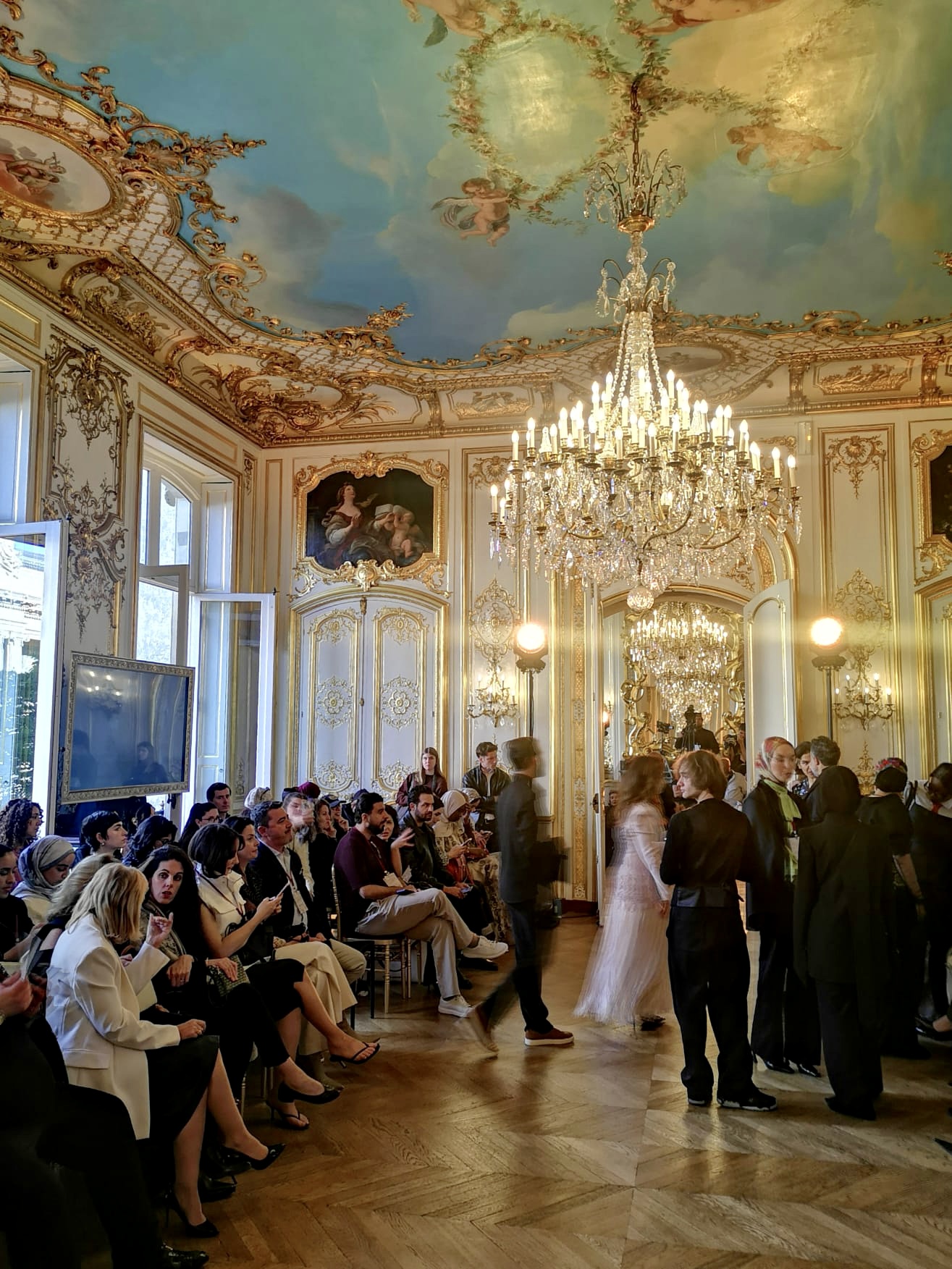
Staged at Hôtel Le Marois, just off the Champs-Élysées and surrounded by showrooms and fashion houses, the Paris Modest Fashion Week by Think Fashion places modest fashion at the very heart of the industry’s most visible and historically charged environment. What becomes evident here is not simply a presentation of collections, but a shift in positioning: modest fashion is no longer operating at the margins — it is entering the core of the system.
The event made one thing unmistakably clear: modest fashion is a globally relevant field with growing structural independence. Designers, buyers and media from across regions came together, and the collections on display highlighted a key development: modest fashion is not bound to geography — it emerges globally.
This independence is crucial. It reflects what defines fashion today: a global, location-independent demand and perspectives that develop in parallel. Modest fashion evolves simultaneously across different contexts — shaped by the needs of diverse consumers worldwide.
In fashion theory, a fashion system is not defined by geography, but by structure — by its actors, aesthetic codes, markets and demand. Against this backdrop, a broader question emerges: has modest fashion already moved beyond being a segment, and is it evolving into a global fashion system in its own right? In academic discourse, it is still more commonly framed as a cultural phenomenon or market segment. At the same time, it increasingly displays structures typically associated with fashion systems — from its own ecosystem of actors to distinct aesthetic codes and a globally distributed demand. With a market volume of 327 billion USD in 2023 and a projected growth to 433 billion by 2028, this field is also a significant economic force within the global fashion industry.
Fashion Emerges in a Field of Tension
Fashion does not emerge from uniformity, but from tension. Its creativity is shaped by difference, by cultural shifts, and by the continuous exchange and interaction between diverse influences. It is within this dynamic that new silhouettes, visual languages and meanings are formed. Modest fashion operates precisely within this field of tension. Its silhouettes are not new inventions, but deeply rooted in the history of global dress cultures. Covered forms, layering and volume have appeared across different regions and eras. In this sense, modest fashion is not a counter-movement to fashion history — it is part of it, and at the same time its continuation.

“Our aim is to create a platform that not only
showcases creativity,
but also supports brands in building
sustainable international growth.”
Design, Identity and Exchange
The Modest fashion field reveals a high degree of diversity — not only in cultural references, but also in design approaches and aesthetic expressions. Across a number of collections, it becomes clear that modest fashion is not confined to a single visual language. Elements of sportswear, tailoring and streetwear begin to intersect, creating hybrid forms that move beyond traditional categorisations.
This does not apply uniformly, but it reflects a broader development: modest fashion is evolving in dialogue with the wider fashion system rather than apart from it. In this context, design becomes more than form — it becomes a way of positioning, both aesthetically and culturally. This is where much of the strength of the field lies.
At the same time, a strong sense of community remains visible. Despite market growth and increasing competition, exchange and mutual support continue to play an important role.
A Buyer’s Lens: When Design Becomes the Decision
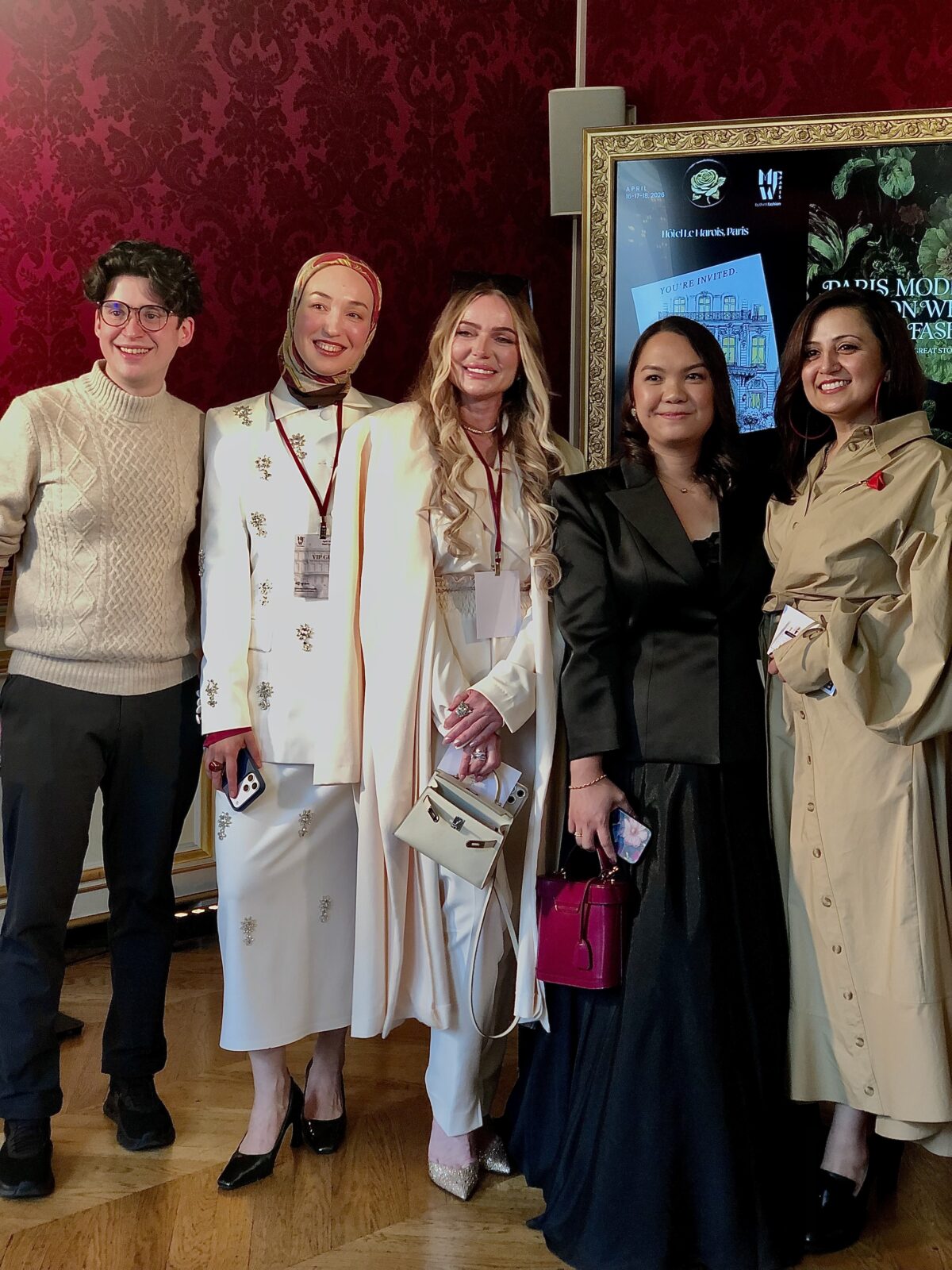
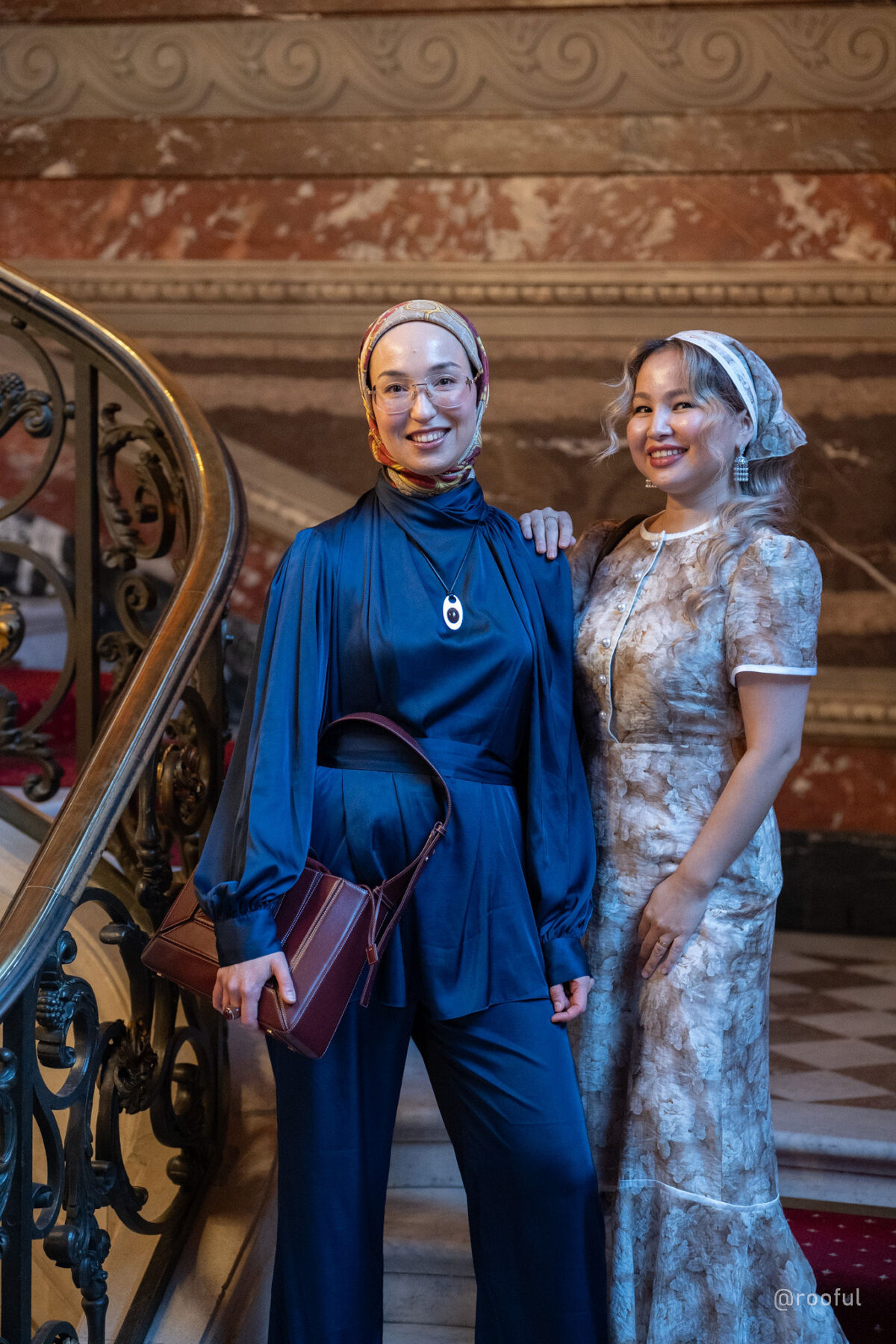
This is precisely where the panel “A Buyer’s Lens: What Makes Us Say Yes?” positioned its focus — shifting the perspective from discourse to decision-making. What became clear is a shift in priorities: from theoretical positioning to the practical question of what makes a product viable in the market.
Uniqueness ranks as the primary factor in assortment decisions. Sustainability alone is not sufficient — what matters is a clearly defined design language and a product’s relevance to its target audience.
Design, therefore, becomes the central criterion — not as an isolated aesthetic value, but as an expression of positioning. Only within this context do factors such as materiality, craftsmanship and comfort gain significance. Price, by contrast, often becomes relevant at a later stage. Particularly within the premium segment, physical experience remains essential. Materials, cuts and fit must be encountered directly in order to fully communicate their value.
At the same time, it became evident that many brands still hold untapped potential. Existing cultural and creative resources could be translated more consistently — with greater boldness in materials, details, color palettes and design decisions. Parallel to this, a clear market shift is taking place: Western brands are increasingly developing modest collections to access a financially strong segment. This makes it all the more important for designers within the field to strengthen their own positioning and secure their market presence.
A System in Motion
Modest fashion thus presents itself as a globally connected field with growing autonomy — shaped by cultural diversity, historical grounding, individual design language and a strong sense of community.
What emerged in Paris is not a fixed state, but a dynamic process. The Paris Modest Fashion Week by Think Fashion is increasingly positioning itself as a platform that connects creative, cultural and economic perspectives — extending its reach on an international level.
This trajectory is closely linked to its founder. Özlem Şahin, Founder & CEO of Think Fashion Group, has established the platform as a globally recognized reference point within the industry. Her work has been acknowledged internationally — including recognition in the BOF 500 and features in publications such as Vogue, The New York Times, BBC and CNN — reflecting the growing relevance of modest fashion within the broader fashion discourse.
As Şahin emphasizes:
“Our aim is to create a platform that not only showcases creativity, but also supports brands in building sustainable international growth.”
It remains to be seen how this format will continue to evolve — which cities it will expand into next, which markets it will unlock, and which new voices it will bring into focus. One thing, however, already seems certain: this movement will continue to grow.
And we look forward to continuing to follow and document its development.