When fashion reads.
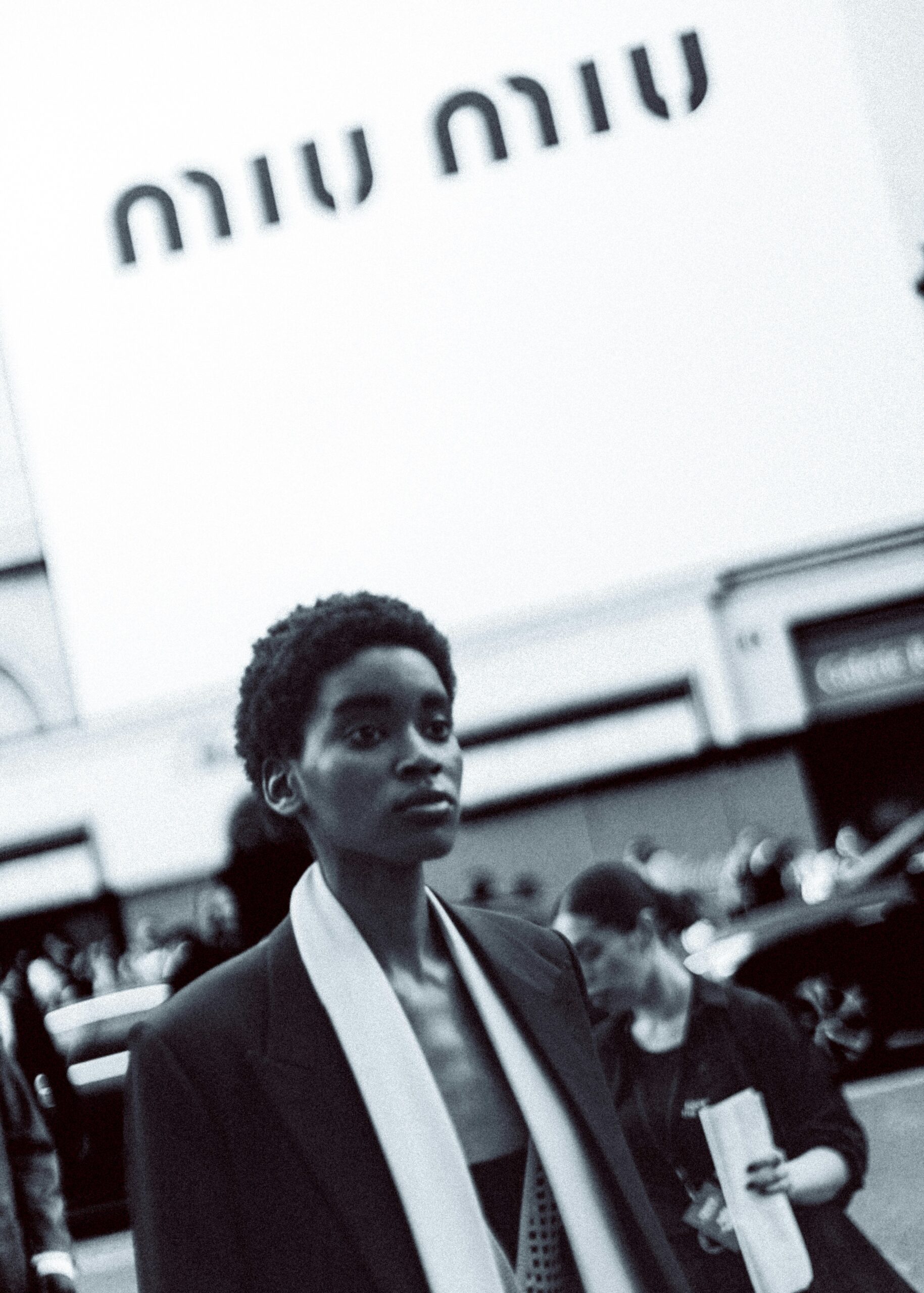
Miu Miu Literary Club:
What’s Behind the Format
What happens when a fashion brand starts working with literature —
not as a reference, but as a format?
With its Literary Club, Miu Miu has been building a program since 2024 that places female authors and their texts at the centre of staged readings, discussions and installations. It’s not really a book club — at least not in the usual sense. The format sits somewhere between curated event, intellectual salon and brand narrative.
It began in Milan with Writing Life, bringing together Sibilla Aleramo and Alba de Céspedes — both authors who wrote about female autonomy, emotional dependency and the tension between private life and social expectation. A year later, A Woman’s Education introduced Simone de Beauvoir and Fumiko Enchi, shifting the focus towards intellectual formation, gender roles and the structures shaping female identity.
In Shanghai, Eileen Chang added another layer, exploring intimacy, modernity and social nuance. The 2026 edition, Politics of Desire, moves more directly into questions of sexuality, agency and consent. Writers like Annie Ernaux or Ama Ata Aidoo approach these themes from very different positions — autobiographical, political, postcolonial — but share a refusal to simplify desire into something easily defined.
What’s striking is how consistent the structure is. The texts aren’t background.
They are staged — read, discussed, performed — in settings that feel deliberate rather than spontaneous.
Between literature and brand narrative
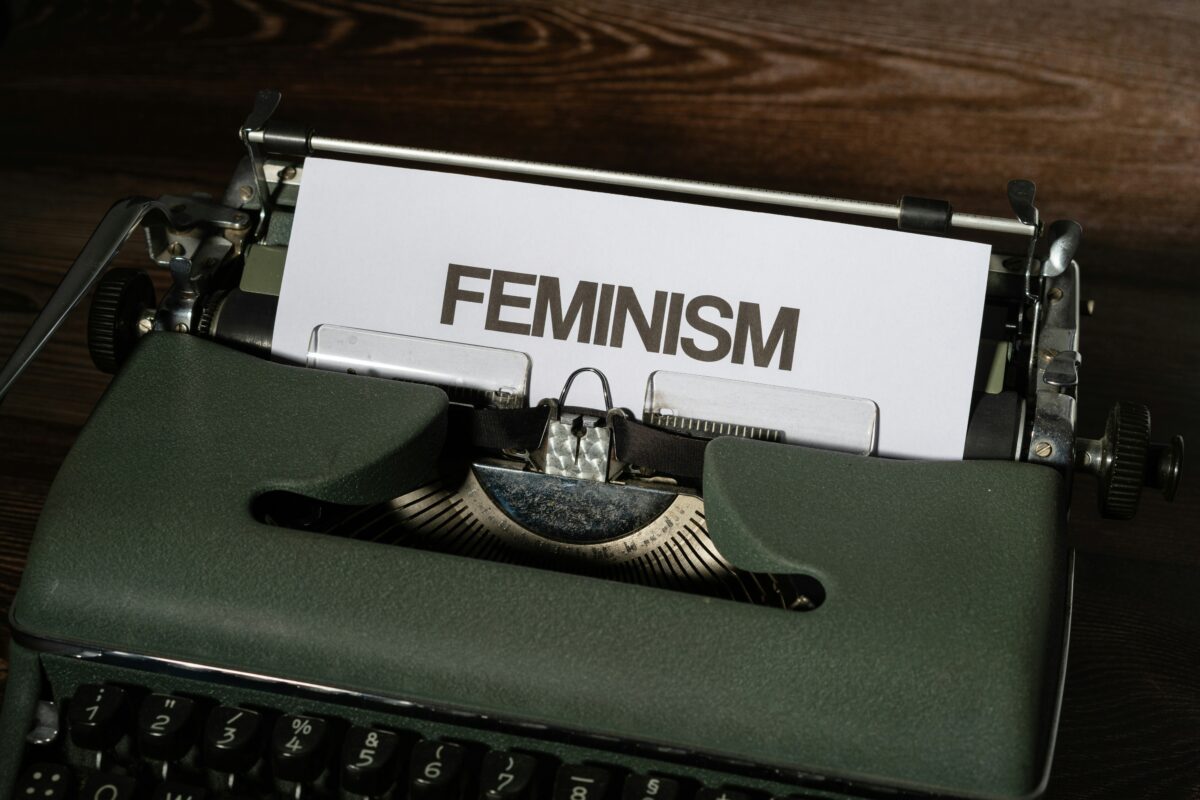
Obviously the choice of authors isn’t random. Across all editions, the focus remains on female voices that complicate rather than resolve questions of identity, education or desire. These are not empowerment narratives in the simplified sense. They are often ambivalent, sometimes uncomfortable, and rooted in specific contexts. Instead of translating these ideas into slogans, Miu Miu approaches them through literature — through texts that keep a certain tension. Empowerment isn’t presented as a fixed message; it remains layered, sometimes unresolved.
As Miuccia Prada noted in the context of the programme, the initiative also aims at “raising awareness on the issue of women’s education today” (via Vogue).
l, useful and beautiful. Made in Mexico.”

A new kind of customer relationship
The Literary Club also reflects a broader shift in how people relate to brands.
Consumption is no longer only about what something looks like or how it is worn.
It increasingly comes down to what a brand stands for — and how convincingly it positions itself within wider conversations. Questions around sustainability, ethics and responsibility have already reshaped that landscape. But beyond that, there is a growing expectation that brands take part — that they engage, support, or at least position themselves in relation to the issues shaping the present.
This is where the Literary Club becomes relevant.
Rather than communicating values directly, Miu Miu approaches them through literature. The program brings forward themes such as education, autonomy and desire — topics and values that continue to define how women negotiate their roles today. And these are not abstract ideas. These ideas don’t stay within the event itself. Attendance may be limited, but the format circulates — through social media, press coverage and the wider cultural conversation around it. The books themselves are widely available, their texts accessible, their arguments open to anyone willing to engage with them.
That changes the dynamic. Even without buying into the brand, it becomes possible to follow, to read, to understand — and to connect with what is being discussed. Participation no longer depends on ownership.What emerges is a different kind of relationship. Less about having, more about recognizing.

How it works
The Literary Club shows how Miu Miu is currently thinking about its role. Literature shapes how the brand is read. The focus on female authors brings in themes that go beyond fashion, without ever being detached from it. At the same time, the format creates a different kind of access. It allows engagement without immediate consumption — and builds a relationship that doesn’t necessarily start or ends with the product.
Beyond fashion
Miu Miu is not alone in moving beyond the product. Brands like Prada with its Fondazione Prada, Saint Laurent through Saint Laurent Productions, or Loewe with the Loewe Craft Prize have all developed formats that position fashion within a broader cultural context. Miu Miu is not alone in moving beyond the product. What connects them is a shift away from fashion as a standalone product towards fashion as part of a broader cultural framework.
Images: Unsplash